
SUSTAINABILITY
SOW GREEN
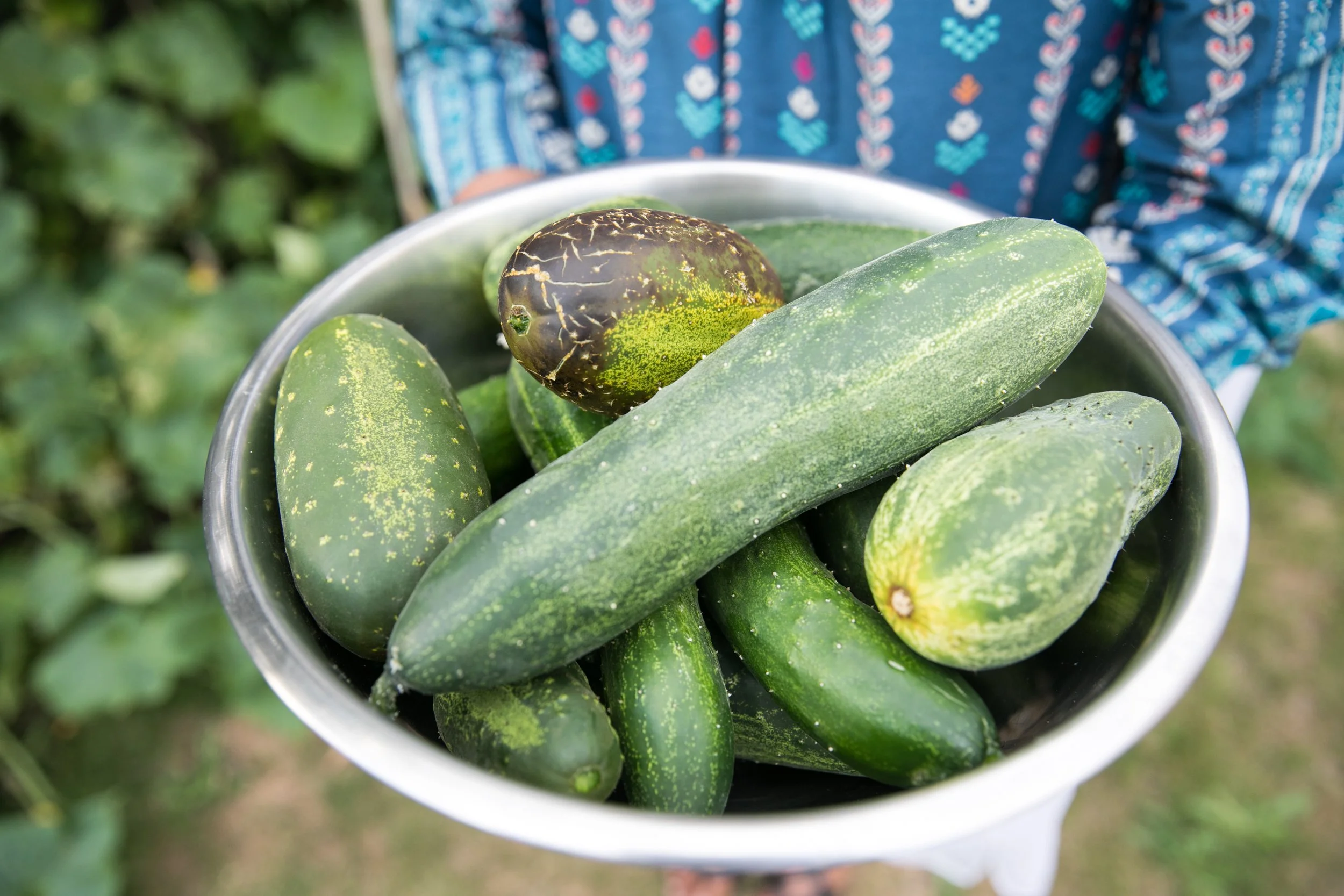
Sow Green is a community-based environmental organisation rooted in East London and driven by lived experience.
We believe that communities experiencing environmental and social inequality should not simply be consulted about environmental change. They should have the power, resources and recognition to lead it.
Sow Green's vision is to build the physical, social and cultural infrastructure that communities need to create healthier, greener and more resilient neighbourhoods.
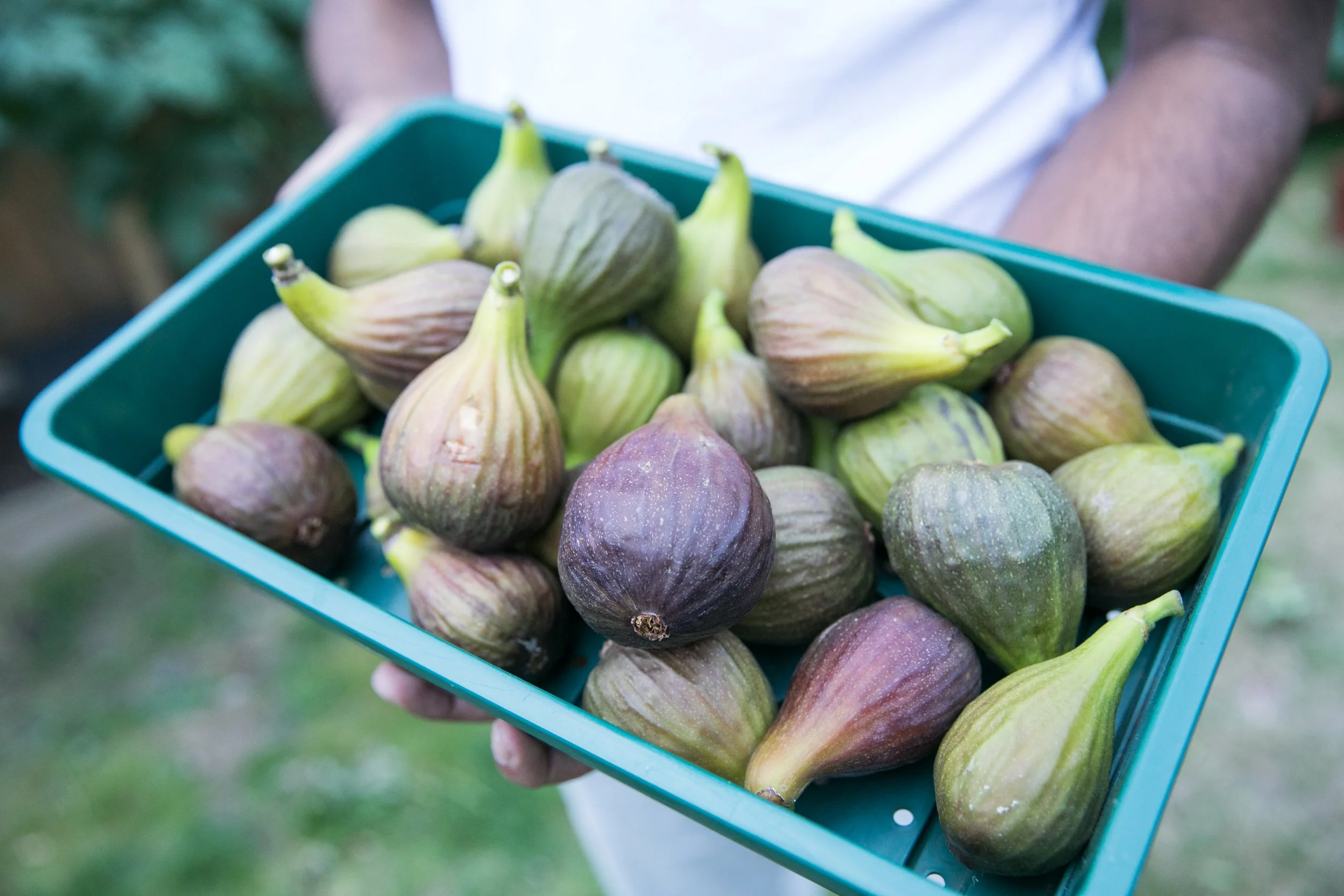
At the heart of our work is community growing. We are not a conventional food-growing organisation.
We see growing as infrastructure; A community growing space, seed-sharing network, composting system, food-growing skills, intergenerational knowledge, relationships between neighbours and connections with local decision-makers are all part of the infrastructure that enables communities to respond to environmental, social and economic change. The Sow Green vision explicitly recognises that this infrastructure is both physical and social.
We build on learning from community-led initiatives demonstrating how food and growing can become platforms for much wider change: strengthening relationships, increasing confidence and leadership, connecting people to food and environmental systems, creating opportunities for collective action and enabling communities whose knowledge has historically been overlooked to shape decisions about their neighbourhoods.
A central principle will be that cultural knowledge is not an engagement tool or an interesting addition to environmental work. It is knowledge infrastructure.
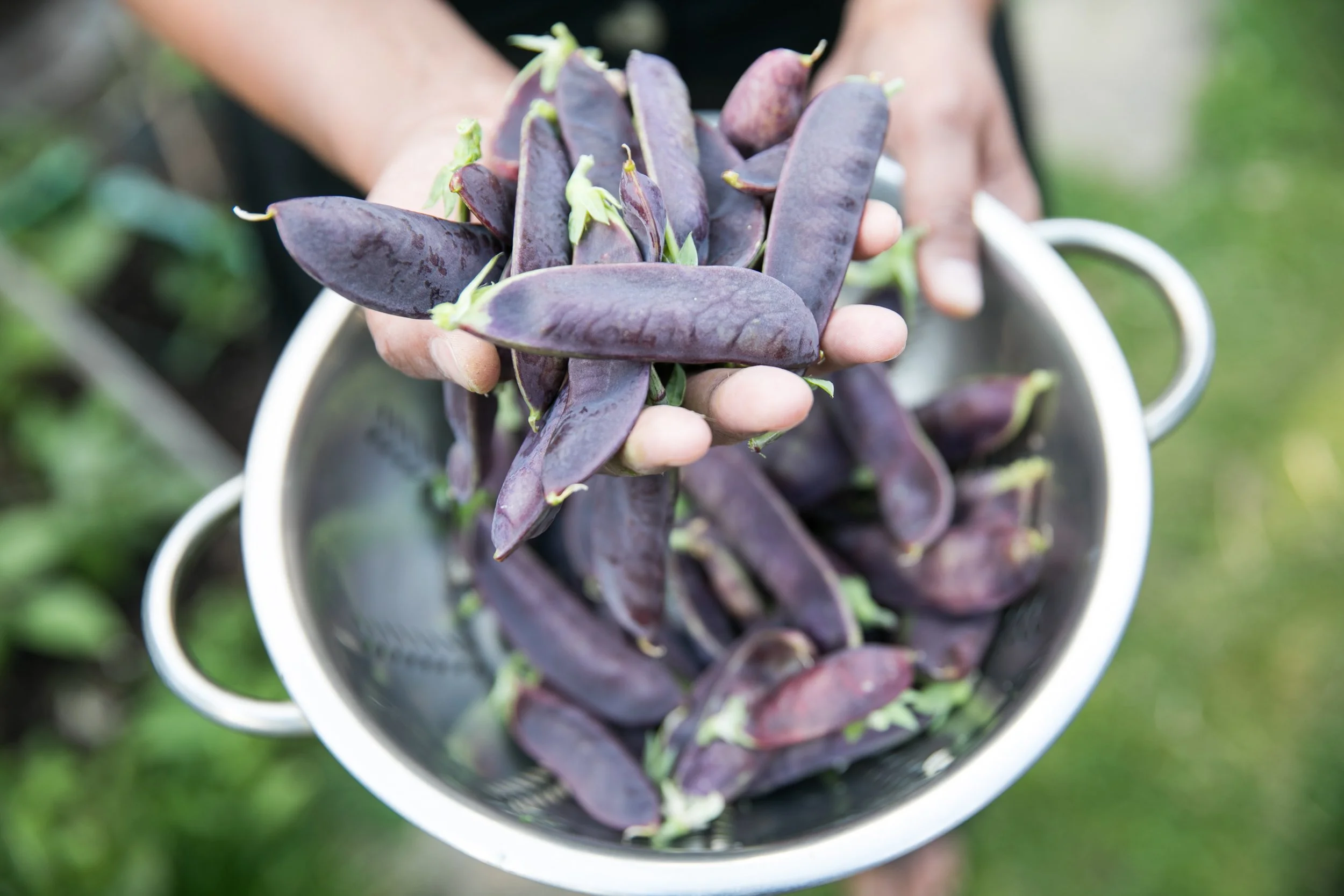
Across East London, British Bangladeshi and other racialised communities already hold extensive knowledge about food growing, food preservation, resourcefulness, sharing, seasonal practices, land, plants, cooking, collective care and adaptation. The existing Sow Green vision describes these practices as forms of climate action that are frequently overlooked or undervalued by mainstream environmental narratives.
We work on creating he conditions for communities to define what environmental wellbeing, resilience and sustainability mean from their own lived experience, cultural knowledge and priorities.
The result will be a model of community environmental action in which people are not positioned as beneficiaries of environmental investment, but as knowledge-holders, leaders, practitioners and decision-makers.